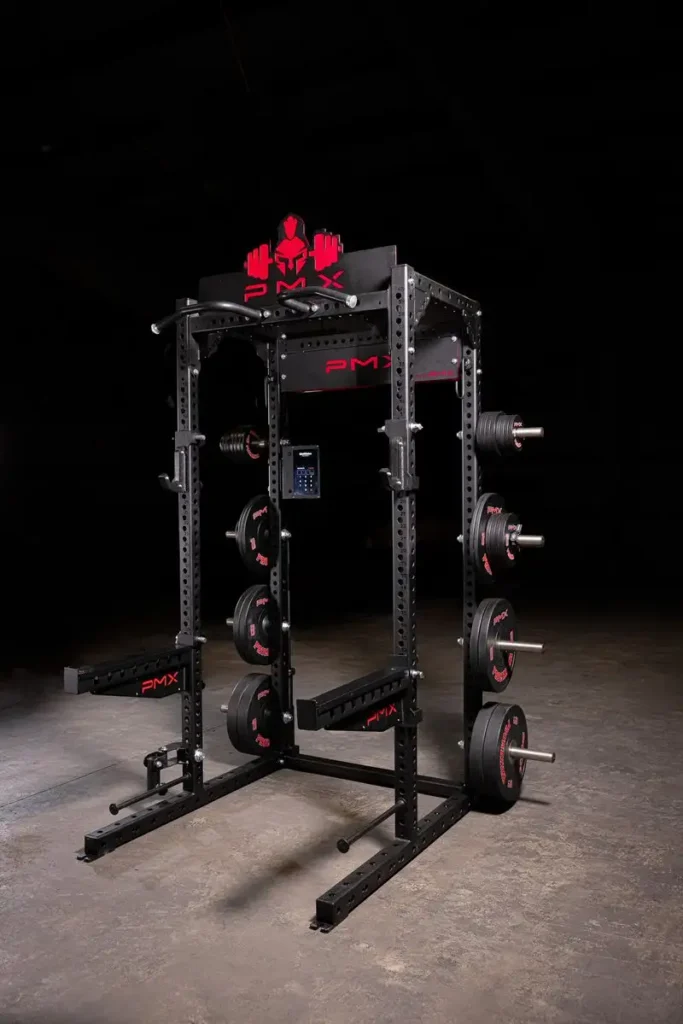
Upgrading a college fitness center is more than a cosmetic improvement. It is a strategic investment in athlete performance, student wellness, safety, and long-term campus value. As expectations rise across collegiate athletics and campus recreation, institutions must carefully plan upgrades that support diverse users, heavy daily usage, and future growth.
This guide outlines the most important priorities colleges should consider when modernizing or expanding their strength training facilities.
Why Modern Strength Facilities Matter for Colleges
Strength facilities play a critical role in the collegiate experience. For athletic programs, they directly impact training outcomes, injury prevention, and recruiting. For the broader student population, they serve as a hub for fitness, stress relief, and community engagement.
A modern strength facility helps colleges:
- Enhance athlete performance and durability
- Attract recruits with professional-grade environments
- Support campus-wide wellness initiatives
- Demonstrate commitment to student success
Outdated equipment, poor layouts, and limited flexibility can undermine these goals, making strategic upgrades essential.
Assessing Current Strength Facility Needs
Before selecting new commercial fitness equipment or redesigning layouts, colleges should evaluate how the existing space performs today and what it must support in the future.
Evaluating Existing Equipment and Layout
An audit of current equipment often reveals issues such as worn frames, limited adjustability, or machines that no longer align with modern training methods. Layouts may restrict movement, create congestion, or limit visibility for coaches and staff.
Key assessment points include:
- Equipment condition and remaining lifespan
- Traffic flow during peak training times
- Space efficiency and storage limitations
Understanding User Groups
College fitness centers rarely serve a single audience. Successful upgrades account for:
- Collegiate athletic teams
- Club and intramural sports participants
- General student population and campus recreation users
Designing for multiple user groups ensures the space remains functional and accessible throughout the day.
Strength Equipment Quality and Durability
One of the most critical priorities when upgrading a college fitness center is equipment quality. Collegiate environments demand commercial-grade solutions built to withstand constant use.
Commercial Grade Construction for High Usage
Equipment should feature heavy-duty steel frames, reinforced welds, and finishes designed to resist corrosion and wear. College facilities often operate from early morning to late evening, making durability essential for long-term value.
Safety Features and Load Capacity
Safety must remain a top priority. Colleges should look for:
- Integrated spotting systems and rack safeties
- High load capacities suitable for advanced training
- Stable platforms and secure adjustment mechanisms
These features help protect athletes and recreational users alike.
Space Planning and Facility Design Considerations
Effective space planning maximizes both performance and safety while allowing staff to supervise and coach effectively.
Flexible Layouts for Multi-Sport Training
Modern strength facilities benefit from modular and multifunctional equipment that supports a wide range of training styles. Flexible layouts allow colleges to accommodate team training, individual workouts, and group sessions without constant reconfiguration.
Optimizing Square Footage
Colleges often face space constraints. Smart design strategies include:
- Vertical storage solutions
- Compact yet versatile equipment
- Clear sightlines for coaching and supervision
Optimized layouts improve flow and reduce downtime between exercises.
Technology Integration in College Fitness Centers
Technology is becoming an increasingly important component of strength training environments.
Performance Tracking and Data Integration
Many collegiate programs rely on data to guide training decisions. Facilities that support performance tracking tools allow coaches to monitor progress, manage workloads, and reduce injury risk.
Smart Equipment and Digital Training Tools
Digital displays, connected equipment, and compatibility with strength and conditioning software can enhance the training experience while supporting evidence-based programming.
Accessibility and Inclusivity in Strength Facility Design
Inclusive design ensures all students can safely and confidently use the facility.
ADA Compliant Equipment and Layouts
Upgrades should include accessible entry points, proper circulation paths, and equipment options that meet ADA requirements.
Inclusive Training Options
Providing adjustable equipment and varied resistance options allows users of different abilities and experience levels to train effectively.
Budgeting and Long-Term Value
Upgrading a college fitness center requires balancing upfront investment with long-term returns.
Total Cost of Ownership
Colleges should consider:
- Equipment longevity and maintenance requirements
- Availability of replacement parts
- Warranty coverage and service support
Lower-quality equipment may cost less initially but often leads to higher long-term expenses.
Phased Upgrades and Scalable Solutions
Phased upgrades allow institutions to prioritize high-impact areas first while planning for future expansion. Scalable systems ensure new additions integrate seamlessly over time.
Choosing the Right Strength Equipment Partner
Selecting the right partner is just as important as choosing the right equipment. Our team can help.
Experience with Collegiate Facilities
Partners with collegiate experience understand campus environments, timelines, and the demands placed on strength facilities.
Design, Delivery, and Installation Support
Turnkey support from design through installation helps colleges avoid delays, reduce disruptions, and ensure equipment is installed safely and efficiently.
Preparing for the Future of Collegiate Strength Training
Strength training continues to evolve. Colleges that plan for the future benefit from:
- Adaptable layouts that support new training methodologies
- Equipment systems designed for expansion
- Facilities that align with long-term institutional goals
Future-ready spaces protect the investment and keep programs competitive.
Final Thoughts on Upgrading College Fitness Centers
Upgrading a college fitness center is a significant opportunity to enhance athletic performance, improve student wellness, and elevate the campus experience. By prioritizing durable commercial fitness equipment, thoughtful design, technology integration, and inclusive access, colleges can create strength training environments that serve today’s needs while preparing for tomorrow’s demands.
A well-planned upgrade not only strengthens athletes but reinforces the institution’s commitment to excellence across campus.